วันจันทร์ที่ 1 กันยายน พ.ศ. 2557

Review Japanese desserts

Review Japanese desserts

Konigs-Krone's Kurone (Custard Danish) ケーニヒスクローネのクローネ

Konigs - Krone is one of the well known Western-style confectionery and cake company, which has its headquarter in Kobe. One of their well known desserts is the Kurone.

My first time tasting the Kurone was back in 2010, my first time in Kansai area. Now, in 2013, after almost 20 times traveling to Kansai in three years, I can definitely say that Kronigs - Krone's Kurone is not to be miss.

Kurone is pretty much a puff pastry in a cylinder shape with a hole in the middle. The shape itself, is rather similar with the Trdelnik in Czech Republic, and Slovakia. However, the middle hole is filled with vanilla custard filling. The Kurone is then topped off with a dust of icing powder.


The texture of the Kurone is rather crunchy (さくさく in Japanese) and not too sweet. Kurone is a great treat as it is served cold, and can be refrigerate for 2-3 days, so you don't have to worry about having to eat it right away. Kurone is a perfect snack for sight seeing, as you can walk around eating while holding one in your hand.


For a piece, Kurone costs 105 yen. Quite reasonable price, don't you think?

There are two flavors, custard and red beans (小豆), but I'm not too sure about this. I normally just order the one with custard fillings. The catch phrase of Kurone is「ケーニヒスクローネのクローネは、パンなのかパイなのか?パイなのかパンなのか?」which can be translate to Konigs-Krone's Kurone is... bread? pie? is it bread or pie? I thought the catch phrase was quite unique and interesting as to me, it's obviously a pie, as there is no.. glutenous pull to it, if you get what I'm trying to say.

Konigs-Krone's Kurone is available in major cities, Osaka, Kobe, Tokyo, Fukuoka, etc.


Here's a picture of the head office/shop in Kobe. The only sad thing is.. It's not available online, so you have to go to one of the shops to purchase one, which is terrible for my case as I live in a rather rural area.

Here's the link to the list of the shops in Japan: http://konigs-krone.co.jp/?page_id=75

Kyoto's Baumkuchen 京ばあむ (Kyoubaamu)

A few months back, I was in Kansai area for a few days, and I got the chance to look for the green tea baumkuchen that I purchased on my first trip to Kyoto two years back. At the time, I did not know that the cake was only sold in Kyoto, but thought that the cake was interesting, and purchased it by chance. It turns out that the cake was incredibly delicious, not too sweet like other baumkuchen I've tasted. 

I'm sure that many of you who has been to Kyoto before would have seen this Kyoubaamu before. Back in 2010, I think it was only available in Kyoto, however, when I was in Kansai this year, I brought it from Shin-Kobe Shinkansen station. Kyoubaamu is also available from various sellers on Rakuten. There are three available sizes, half of the 3.5cm roll, 3.5 cm roll, and 5.25 cm roll. 

Baumkuchen is a type of cake, which consists of thin layers of cake. Traditionally, Baumkuchen is made on a spit by brushing on even layers of batter and then rotating the spit around a heat source. Baumkuchen is well known around Europe, and is said to originate from a small town in Germany. Now, back to the Kyoubaamu. Kyoubaamu has two distinct sections, green tea section, and soy milk section. Yes, soy milk. I was very surprised after finding out about this certain ingredient. Two years back, I was not able to read Japanese, thus did not have a single clue that this cake was made from soy milk, not from cow's milk. The baumkuchen is also coated with thin coat of sugar syrup. 

As for the taste.. I think that this cake is really good to eat alone, or with other beverages. The cake itself, is not too sweet like others that you can only take a few bites. I ate the whole thing in one go, by myself. You can barely, if ever, taste the soy milk. I think that it is worth a try for all of the matcha (green tea) lovers out there. 

I think Kyoubaamu is available in major stations around Kansai area, as well as many gift shops in Kyoto. Also, here is the link to the official website: http://www.otabe.jp/shop/c/cbaum/

Traditional custumes

Traditional Costumes

The kimono is the traditional dress of Japan, and it is worn nowadays on formal occasions. It is sometimes accused of being an impractical form of dress, but it has the advantage of giving the wearer a graceful and elegant deportment.
ladie's-Kimono

There are various different types of kimono for use at different times and on different occasions. Women's kimono include the furisodé and tomesodé for formal wear, thehômongi for paying calls, the tsukesagé, and the komon. Men's kimono include themontsuki hakama for ceremonial occasions and the haori for going out visiting. There is also the yukata, worn by both men and women as informal dress at home, in ryokan or for attending local festivals.
men's-Kimono

The shape of kimono is fixed, and individuality is achieved by careful selection of the material, the style of weaving and dyeing, the color, and the pattern, as well as by the choice of obi.
Obi

Top 10 foods to try in Japan

Top 10 foods to try in Japan 

Don’t leave Japan without trying…

SushiSushi

Put simply, sushi is raw fish served on rice seasoned lightly with vinegar. It’s in the variety of flavours and textures – like tangy, creamy uni (sea urchin roe) and plump, juicy, ama-ebi (sweet shrimp) – that things get interesting. Despite sushi’s lofty image, it has a humble origin: street food. 
Sample sushi yourself
Ramen
Ramen, egg noodles in a salty broth, is Japan’s favourite late night meal. It’s also the perfect example of an imported dish – in this case from China – that the Japanese have made completely and deliciously their own. There are four major soup styles: tonkotsu (pork bone), miso, soy sauce and salt. Fukuoka is particularly famous for its rich tonkotsu ramen; pungent miso ramen is a specialty of Hokkaido. 

Unagi
Unagi is river eel grilled over charcoal and lacquered with a sweet barbecue sauce. According to folklore, unagi is the ideal antidote to the heat and humidity of Japan’s stultifying summers. It’s a delicacy evocative of old Japan and most restaurants that specialize in eel have a wonderfully traditional feel. Fresh, wild-caught unagi is available May through October.

Crispy prawns with wasabi mayoTempura
Light and fluffy tempura is Japan’s contribution to the world of deep-fried foods (though it likely originated with Portuguese traders). The batter-coated seafood and vegetables are traditionally fried in sesame oil and served with either a tiny pool of salt or a dish of soy sauce-flavoured broth spiked with grated radish for dipping. Do not miss out on ebi-ten (tempura prawns).
Try making your own crispy-fried prawns 


Kaiseki

Part dinner, part work of art, kaiseki is Japan’s haute cuisine. It originated centuries ago alongside the tea ceremony in Kyoto (and Kyoto remains the capital of kaiseki). There’s no menu, just a procession of small courses meticulously arranged on exquisite crockery. Only fresh ingredients are used and each dish is designed to evoke the current season. 


Prawn soba noodlesSoba

Soba – long, thin buckwheat noodles – has long been a staple of Japanese cuisine, particularly in the mountainous regions where hardy buckwheat fares better than rice. The noodles are served in either a hot, soy sauce-flavoured broth or at room temperature on a bamboo mat with broth on the side for dipping. Purists, who bemoan soup-logged noodles, prefer the latter. 
Try cooking with soba noodles 

Shabu-Shabu
Shabu-shabu is the Japanese onomatopoeia for the sound of thin slices of beef or pork being swished around with chopsticks in bubbling broth. It’s a decadent dish, with platters of marbled meat brought to the table for diners to cook themselves – it takes only a moment – one mouthful at a time.


Okonomiyaki

Literally “grilled as you like,” okonomiyaki is Japanese comfort food at its best, and a clear violation of the typical refined image of Japanese food. It’s a savoury pancake filled with any number of things (but usually cabbage and pork) and topped with fish flakes, dried seaweed, mayonnaise and a Worcester-style sauce. It’s also a lot of fun: At most restaurants, diners grill the dish themselves at a hotplate built into the table. 


Katsu porkTonkatsu 

Tonkatsu, breaded and deep-fried pork cutlet, dates to the late 19th Century when Japan threw open its doors to Western influence. But never mind the European origin: the ingredients and attention to detail are thoroughly Japanese. Tonkatsu – especially when it’s kuro-buta(Berkshire pork) from Kagoshima – is melt-in-your-mouth tender, served with a side of miso soup and a mountain of shredded cabbage. 

Where to eat in japan

Where to eat in Tokyo?

The following are restaurants I tried during Follow Me Foodie to Japan. I researched a list of about 100 restaurants so I obviously did not make them all, but here are some highlights as a first-time tourist in Tokyo.

Rokurinsha Tokyo Ramen Street Best Ramen in TokyoRokurinsha Tokyo (Ramen Street) 09Rokurinsha Tokyo (Ramen Street)
1-9-1 Marunochi, Chiyoda, Tokyo Prefecture, Japan | +81 3-3286-0166

Cuisine: Japanese/ramen
Price: About $10-15USD/per person
Notes: Located in level B1 of First Avenue Tokyo Station (inside train station on “Tokyo Ramen Street”) | considered “best tsukemen in the city” | local/tourist favourite | long lines at peak hours | causal | quick | budget-friendly | Japanese menu
♦♦♦♦♦ – Follow Me Foodie Must Try! (Bonus marks! 100%+)
Gogyo ramen in tokyo kyoto japan burnt miso ramenGogyo Burnt Miso Ramen in Tokyo & Kyoto Japan 07Gogyo
1-4-36 Nishiazabu, Minato, Tokyo Prefecture 106-0031, Japan | +81 3-5775-5566
Cuisine: Japanese/ramen
Price: About $10-15USD/per person
Notes: Try the signature Burnt Miso Ramen | closes for break at 4:30pm | local favourite | causal | quick | budget-friendly | Japanese and English menu
♦♦♦♦ – Excellent, make a trip out for it. (90-100%)
Hichibe Tokyo First Sashimi Sushi Bar in JapanTokyo - Hichibe First sushi sashimi bar in Tokyo 27Hachibe 
1-7-6 Ebisu, Shibuya, Tokyo Prefecture, Japan | +81 3-3280-8181
Cuisine: Japanese/Sushi/sashimi
Price: About $20-30+USD/per person
Notes: Good quality| good selection | fresh | omakase or a la carte | limited hot foot available | sushi and sake bar | affordable | local favourite | casual | affordable | good value | after hours | open late | seats 12 | Japanese menu | good sake selection
♦♦♦ – Very good, dining itinerary worthy. (70-89%)
Tsukiji Fish Market in Tokyo JapanTsukiji Fish Market in Tokyo 11Tsukiji Fish Market in Tokyo 04Tsukiji Fish Market (Tokyo Central Wholesale Market)
5-2-1 Tsukiji, Chuo, Tokyo Prefecture 104-0045, Japan | +81 3-3542-1111
Cuisine: Sushi/sashimi
Price: Varies depending on restaurant (About $20-30+USD/per person)
Notes: Go early – by 5 am | Sushi Dai and Daiwa Sushi have 2+ hours line up and are most popular, but not necessarily that much better than others. | If you want to see the Tuna auction, start lining up at 2:30am. 5am is already too late. | Visiting the fish market is a must-do, and the sushi restaurants are very good value, but not necessarily “the best“.
♦♦♦♦♦ – Follow Me Foodie Must Try/Visit! (Bonus marks! 100%+)
Tonkatsu Wako Japan TokyoTonkatsu Wako
6-5-1 Nishishinjuku, Shinjuku, Tokyo Prefecture, Japan |+ 03-3348 0610
Cuisine: Tonkatsu/Japanese
Price: About $15-25/per person
Notes: Inside Tokyo train station | Japanese chain famous for Tonkatsu | I considered it very good, but Tonkatsu gets even better than this | Maisen is most popular for Tonkatsu | good quality | quick | casual | affordable | clean | authentic
♦♦ - Good, with some hits and misses. (50-69% – Closer to 65%+)
Kozue Park Hyatt Tokyo JapanKozue at Park Hyatt Tokyo, Japan 38Kozue at Park Hyatt Tokyo, Japan 48Kozue at Park Hyatt
Nishishinjuku | Park Hyatt Hotel, Shinjuku, Tokyo Prefecture, Japan | +81 3-5323-3460
Cuisine: Japanese
Price: $50+USD/per person
Notes: Incredible view | upscale | fine dining | various Tasting Menus | seasonal menus | good sake/cocktail menu | omakase available | quiet/sophisticated ambiance | traditional Japanese | beautiful food | good for entertaining/business/special occasions | Japanese and English menus
♦♦♦♦ – Excellent, make a trip out for it. (90-100%)
Ginza Akebono Mochi Shop in Tokyo JapanGinza Akebono Mochi Shop
5-7-19 Ginza, Chuo, Tokyo Prefecture 104-0061, Japan | +81 3-3571-3640
Cuisine: Japanese/Desserts
Price: $10 or less
Notes: Traditional Japanese sweets | variety of mochi/sweets | local favourite | benchmark for mochi | fresh mochi | no seating | to-go/gift shop
♦♦♦ – Very good, dining itinerary worthy. (70-89% – closer to 89%+, but if you’re a mochi fan this is likely “the best” it gets)
Nadaman Shangri-la Tokyo JapanNadaman Japanese Shangri-la Hotel Tokyo09Nadaman in Shanghri-La Hotel, Tokyo
1-8-3 Marunouchi | 28F Marunouchi Trust Tower Main (Shangri-La Hotel, Tokyo), Chiyoda, Tokyo Prefecture 100-8283, Japan | +81 3-6739-7898
Cuisine: Japanese/Sashimi/Beef
Price: $50+USD/per person
Notes: Japanese fine dining restaurant chain | Traditional Japanese | seasonal menus | private room available | great view | sushi counter | Teppanyaki counter
♦♦♦ – Very good, dining itinerary worthy. (70-89% – closer to 75%)
Piacere Italian Shangri-La TokyoPiacere at Shangri-La Hotel, Tokyo
1-8-3 Marunouchi | 28F Marunouchi Trust Tower Main (Shangri-La Hotel, Tokyo), Chiyoda, Tokyo Prefecture 100-8283, Japan | +81 3-6739-7898
Cuisine: Italian
Price: $50+USD/per person
Notes: Italian chef | fine dining Italian | excellent view | elegant/ritzy ambiance | private dining spaces | seasonal menus | good wine list | special occasions | open for lunch and dinner | Japanese and English menus
♦♦♦ – Very good, dining itinerary worthy. (70-89% – closer to 80%+)
Sushi Kanesake Best Sushi in Tokyo JapanSushi Kanesake Tokyo Best Sushi 53Sushi Kanesaka
8-10-3 Ginza, Chuo, Tokyo Prefecture, Japan | +81 3-5568-4411
Cuisine: Japanese/Sushi/Sashimi
Price: $50+USD/per person
Notes: 2 Michelin Star | upscale | Omakase lunch/dinner (starts at $50 for lunch) | exquisite sushi | fresh | top quality sashimi | open daily for lunch and dinner | reservations recommended | limited seating
♦♦♦♦♦ – Follow Me Foodie Must Try! (Bonus marks! 100%+)

วันอาทิตย์ที่ 3 สิงหาคม พ.ศ. 2557

Visit Japan - Official Tourism Guide for Japan Travel

4 Souvenirs you can't miss from Hokkaido!

1. Shiroi  Koibito 
It is a European-style cookie manufactured. It consists of chocolate sandwiched between langue de chat.


2.Baumkuchen 

It is a kind of layered cake. It is a traditional dessert in many countries throughout Europe and is also a popular snack and dessert in Japan. The characteristic rings that appear when sliced resemble tree rings. 


3.Marusei Butter Sand 

Rich butter cream mixed with dried raisin is sandwiched with two pieces of biscuit. 


4.Double Fromage Cheesecake  
A double layered cheesecake with baked cream cheese and no-bake mascherpone 


วันอาทิตย์ที่ 27 กรกฎาคม พ.ศ. 2557

10 Things to do in Japan.

10 Interest things to do in Japan

1. Sit on the toilet (go ahead, the seats are warm) 


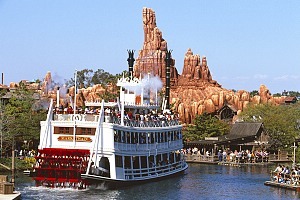
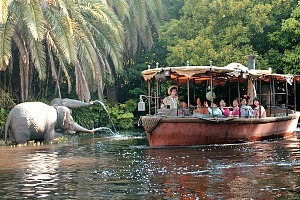
2. Visit Tokyo Disneyland 

  Tokyo Disneyland is a theme park and vacation resort located in Urayasu, Chiba, Japan, just east of Tokyo.

Themed Lands


World Bazaar
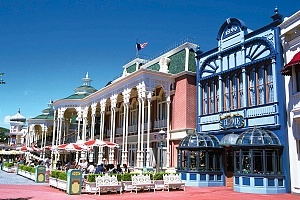
World Bazaar, located at the main entrance to the park, is a covered shopping arcade lined by shops and restaurants. The area is designed like an early 20th century American town and serves as the park's main shopping area where many guests stop on their way out of the park.
Tomorrowland
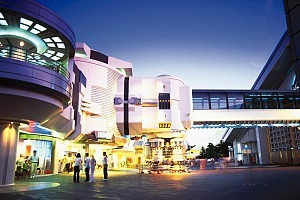
Tomorrowland explores the themes of outer space and future technologies. It is home to popular attractions such as Space Mountain, Star Tours and Buzz Lightyear's AstroBlasters.
Toontown
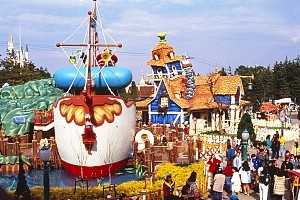
Toontown is a suburban toon neighborhood where the Disney characters live, work and play. Aimed at a younger audience, Toontown lets visitors meet Mickey at his house, play on Donald Duck's boat, check out Chip'n Dale's Treehouse and ride a kid sized rollercoaster.
Fantasyland
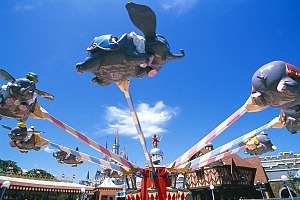
Fantasyland is based on the classic animated films by Disney and is home to the iconic Cinderella's Castle at the center of the park, as well as other characters and rides such as Peter Pan, Snow White, It's A Small World and Pooh's Hunny Hunt, an original Fantasyland attraction unique to Tokyo Disneyland.
Critter Country
Critter Country is home to Br'er Rabbit, Br'er Fox, Br'er Bear and the other characters from the Disney film "Song of the South". Here you can find the popular Splash Mountain log ride, as well as guided canoe tours on the Rivers of America.
Westernland
Westernland is themed after the US western frontier along the Rivers of America. The area is home to the popular rollercoaster Big Thunder Mountain, while Tom Sawyer Island is located out in the middle of the river.
Adventureland
Adventureland includes attractions that encompass the spirit of adventure. Here you can join a jungle cruise, explore the Swiss Family Treehouse, ride the Western River Railroad and sail with the Pirates of the Caribbean.
Hours and Fees
Hours:Varying hours. Typically from 9:00 to 22:00 (from 8:00 on weekends and holidays).
Admission ends one hour before closing.
Closed:No closing days
Admission:6400 yen 

3. Visit Jigokudani Snow Monkey Park 

The unique experience of seeing wild monkeys bathing in a natural hot spring. The park is inhabited by Japanese Macaques, which are also known as Snow Monkeys. 


Hours and Fees
Hours:8:30 to 17:00 (April to October)
9:00 to 16:00 (November to March)
Closed:No closing days
Admission:500 yen

4. Visit Kenrokuen Garden

Kenrokuen is justifiably classified as one of Japan's "three most beautiful landscape gardens" alongside Mito's Kairakuen and Okayama's Korakuen. Many people consider it the best of them all.
 

Hours and Fees

Hours:Regular Hours:
7:00 to 18:00 (March to October 15)
8:00 to 17:00 (October 16 to February)
Early Admission Hours:
From 5:00 (April to August from 4:00, November to February from 6:00)
Early admission visitors must exit the garden before the start of regular hours
Closed:No closing days
Admission:310 yen (free during early admission hours)


5. Relax in an Onsen

Natural hot springs (onsen) are numerous and highly popular across Japan. Every region of the country has its share of hot springs and resort towns, which come with them.
There are many types of hot springs, distinguished by the minerals dissolved in the water. Different minerals provide different health benefits, and all hot springs are supposed to have a relaxing effect on your body and mind.


More information : http://www.japan-guide.com/e/e2292_how.html


6.Climb Mount Fuji


Mount Fuji lies about 100 kilometres (60 mi) south-west of Tokyo, is a well-known symbol of Japan and it is frequently depicted in art and photographs, as well as visited by sightseers and climbers. 


7.Visit Universal Studio Japan

It is located in Osaka, is one of four Universal Studios theme parks, owned and operated by USJ Co.The park opened on March 31, 2001. Visitors to the park the opening year reached 11 million guests, becoming the world’s fastest amusement park to achieve the 10 million milestone at the time.


Hours and Fees
Hours:Varying hours, typically from 10:00 to 17:00 during low season and from 9:00 to 21:00 during peak season. Please refer to the park's official website. 
Closed:No closing days
Admission:6,980 yen (12-64 years old)
4,880 yen (4-11 years old)
6,270 yen (65 years or older)
Passes include unlimited rides and can be bought at the gate or at JR ticket counters, Lawson convenience stores, selected travel agencies and partner hotels.
Express Passes, that allow holders to skip lines for selected rides, are available for four rides (3,290 yen) or seven rides (5,040 yen) on the day of the visit at the entrance gate and inside the park. Express Passes may sell out on busy days.

8.Walk the Nakasendo

The Nakasendō, also called the Kisokaidō, was one of the five routes (major roads) of the Edo period, and one of the two that connected Edo to Kyoto in Japan.It is about a total distance of approximately 534 km.


9.Take a trip on the Shinkansen

The Shinkansen, also known as the bullet train, is a network of high-speed railway lines in Japan.Starting with 2,459 km (1,528 mi) long network has expanded to link most major cities on the islands of Honshū and Kyūshū at speeds up to 300 km/h (186 mph).


10.The Itsukushima Shrine

Itsukushima Shrine is a Shinto shrine on the island of Itsukushima (popularly known as Miyajima) in the city of Hatsukaichi in Hiroshima Prefecture in Japan. It is a UNESCO World Heritage Site.


Hours and Fees
Hours:6:30 to 18:00 (closing time changes depending on season)
Closed:No closing days
Admission:300 yen (500 yen for combined entry with Treasure Hall)